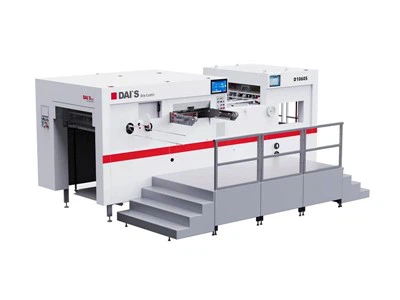
Laminating machines are broadly classified into two categories based on equipment and processes: "instant coating" and "pre-coated coating." Pre-coated coating is further divided into glossy and matte films.
Instant coating is a paper-plastic composite process that uses an instant coating machine to apply adhesive while the film is being coated, resulting in a laminated product. It is primarily handled by instant coating processing plants or workshops, which apply adhesive to rolls of plastic film as needed, followed by drying (light) lamination, and then applying pressure to bond the paper films together. Instant coating equipment comes in automatic and semi-automatic versions, but their basic working principles are the same. The main process flow includes unwinding → adhesive coating → drying → lamination → slitting → finished product stacking.
Pre-coated coating is a process where a plastic film is pre-coated and rewound before being laminated with printed paper. Pre-coated film is produced by pre-coating processing plants, which apply adhesive and rewound the film according to the desired specifications and widths, providing the final product to the user for lamination with printed paper.
The pre-coated film manufacturing process mainly involves pre-adhesion → winding → adhesive coating (curtain type) → curing and cooling → rewinding → slitting → rewinding → finished product packaging. The pre-coated film machine operates on the following steps: temperature adjustment → winding → paper feeding → heating → lamination → slitting → automatic stacking → finished product output.
There are three types of pre-coated film: heat-sensitive film, pressure-sensitive film, and special film. Binding primarily uses two types of heat-sensitive film: BOPP and PET (there is also Nylon).