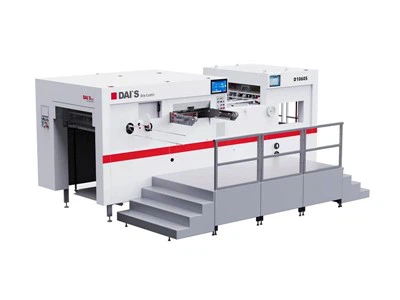
The process primarily utilizes the principle of hot-press transfer. Under pressure, the electroplated aluminum foil comes into contact with the hot stamping plate and the substrate. The heating plate generates heat, which melts the thermoplastic dyeing resin layer and adhesive on the aluminum foil. The adhesive strength of the dyeing resin layer decreases, while the special heat-sensitive adhesive increases in viscosity after melting. Simultaneously, the aluminum layer peels off from the electroplated aluminum foil base film and is transferred to the substrate. As the pressure is released, the adhesive rapidly cools and solidifies, and the aluminum layer firmly adheres to the substrate, completing the hot stamping process.
From the composition of the electroplated aluminum foil and the hot stamping mechanism, to achieve ideal hot stamping results, the electroplated aluminum foil used must meet the following requirements: uniform base coat color, without obvious color difference, streaks, or spots; uniform, smooth, white, and free of impurities, without obvious streaks, sand spots, or oxidation; good gloss; strong adhesion; high clarity; and correct model number.