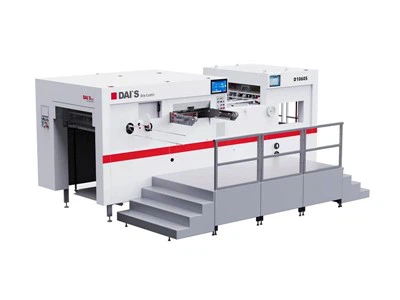
In the printing and packaging industry, fully automatic sheet die-cutting machine is the core equipment to determine the width of a factory's product line. Its function goes beyond simple "paper cutting"; it utilizes precision tailoring molds to precisely cut, fold and mould printed paperboard to a specific design, transforming a flat sheet into a a finished packaging product that can be folded and assembled. Because of the exceptional versatility of the machine, a unit can produce a variety of packaging products, simply by replacing cutting molds. This report examines the status and future trends of fully automated sheet metal die-cutting machines in the global and Chinese markets. It analyzes the major production regions, major consumer regions, and major printing enterprises of fully automated sheet metal die-cutting machines in terms of production and consumption, respectively.

I. Folding Cartons-Core Applications

Folding cartons is the highest production and most widely used product category of fully automatic sheet die-cutting machine and the main source of business for most printing and packaging companies. Folding cartons feature die cuts and creases to determine their shape and pre-set fold lines. A consumer or automated cartoning machines simply folds along the crease lines and secures the bottom (through tuck-in or automatic locking mechanisms) to form the final package without glue or additional processing.
Common foldable carton structures include foldablebottom cartons (the most commonly used FMCG packaging structure), self-locking bottom cartons (which open and lock automatically for heavier products), flip top cartons (often used for gift boxes), bookcases (often used for premium packaging), and a variety of irregular or custom-shaped cartons.
Folding cartons are widely used in virtually all FMCG categories,including food (biscuits, tea and cereal boxes), pharmaceuticals (wraps), personal care (toothpaste and face mask boxes), health supplements and electronic accessories,making them a major part of the carton die-cutting business.
II. Handheld Bags-high value gift wrapping
Handheld bags (also known as tote bags or gift totes) are standard packaging format for premium gifts, clothing, tea, wine, chocolate and similar products. Tote bags have a more complex die-cutting structure than standard folding cartons; they typically require a handle cutouts (such as a semicircle or custom shapes) on the side or top, followed by a handle insertion and bonding process to complete the finished product. In the production of tote bags, the main process characteristics of automatic sheet die-cutting machines are as follows: die handle holes require high-precision internal die-cutting blades to ensure neat positioning and smooth edges; creases must be of the same depth as cardboard to prevent surface cracking when folded; and irregularly shaped bags often require cutting lines in different orientations to be integrated into a single block, which requires high precision in die design and equipment registration.
Because of its high unit price and brand value, tote bags is a highly profitable product that printing and packaging companies actively target, and also an important application area for evaluating the performance of die cutting machines.
III. Pizza Boxes and Disposable Food Service Packaging

Pizza boxes are one of the most iconic die-cutting products in the food service packaging industry. Unlike standard paper boxes, pizza boxes usually use thicker corrugated cardboard (usually an E or B flute). The lid and base are composed of individual pieces, so there is no need for self-locking after folding, which requires high die-cutting pressure and precision of cutting lines.
Pizza boxes are produced on automatic sheet die-cutting machines, which require increased die-cutting pressure due to the thickness of the material. In order to prevent the corrugated core from collapsing due to deep creases, foam strips with high elasticity were used. In addition, decorative die-cutting elements --such as ventilation holes common to pizza box lids and die-cutting brand logos --require die-cutting panels to incorporate master, crease rules and internal die-cutting into a single layout, demonstrating the machine's advantages in multifunctional, integrated processing.
In addition pizza boxes, a variety of other types of disposable food service packaging-such as hamburger boxes, fried chicken kegs, takeout containers, cake boxes and sushi boxes-are typically processed on automated sheet cutters. Demand in this market segment remains robust, driven by the continued expansion of the takeout economy.
IV. INTRODUCTION Self-Adhesive Labels-Benchmark for Precision Kissing
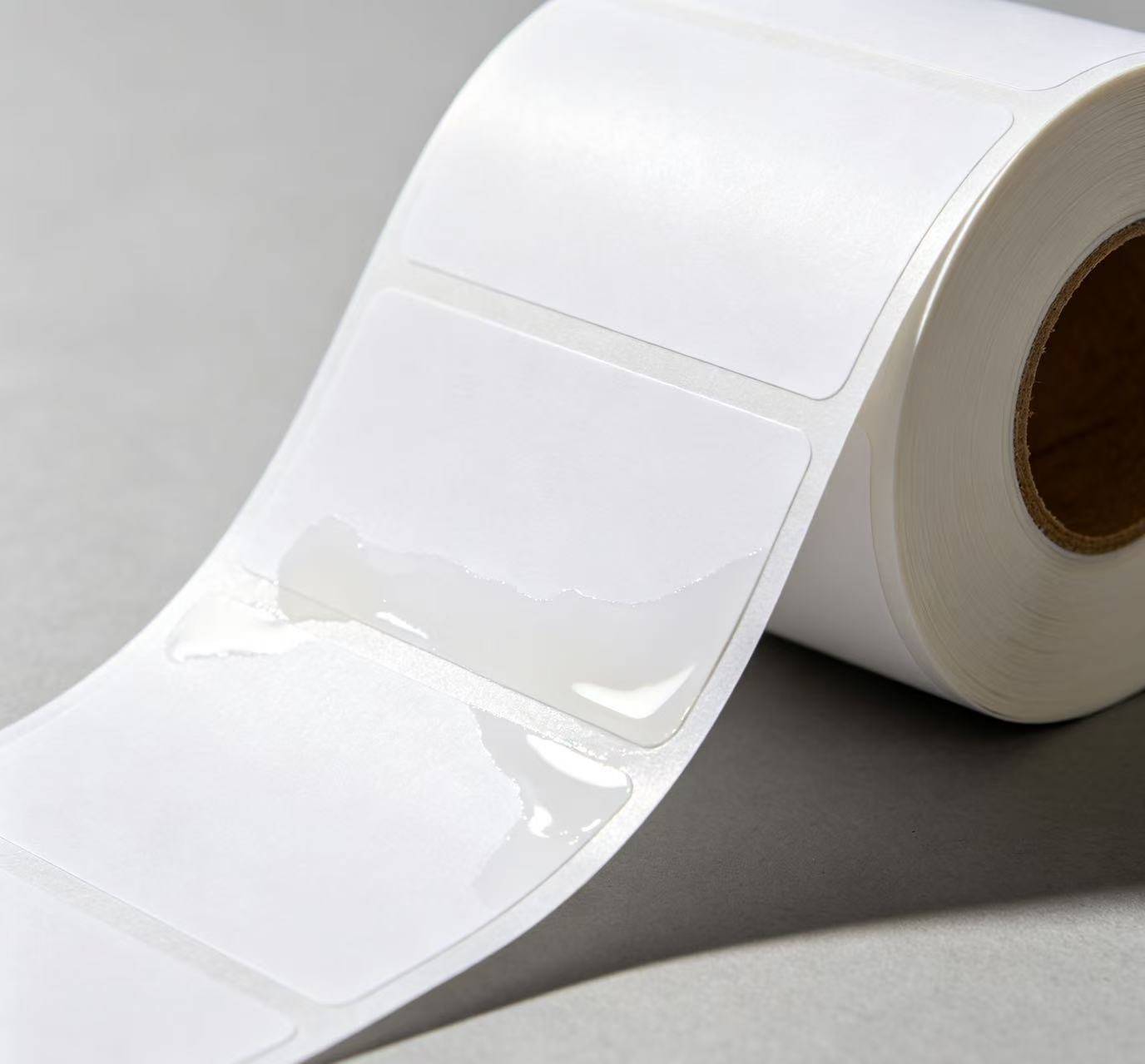
Indry-adhesive label represents one of the most technically difficult products to be processed by fully automatic sheet die-cutter. Unlike the standard paper cartons "full-cut" process, label die-cutting employs a "kiss-cutting" (or half-cut) technique. The blade must sever the surface and adhesive layer precisely without cutting the backing paper; the tolerance of cutting depth is usually ± 0.02 mm.
This process requires high accuracy and stability in pressure control, usually servo-drive systems and real-time pressure feedback mechanisms. High-end labels-such as pharmaceutical labels, anti-counterfeiting labels and electronic component labels-require registration accuracy of ±0.1 mm and are important benchmarks for evaluating the overall performance of die-cutting machines.
VII. Industrial Packaging and Specialized Applications
In the industrial sector, automated feed die-cutting machines handle the production of a variety of specialized packaging products, including electrostatic cardboard for electronic components, cushions for automotive components, protective layers for precision instruments and colorful overpackaging for various industrial products. These products often have specific requirements for the compressive strength and die-cutting accuracy of the material, which requires operators to adjust process parameters according to the specific characteristics of the material.
FAQ
Q1: Can an automatic paper feeder die cutter produce a variety of products?
A: You can only produce one product at a time using a specific module, but changing the module typically takes 15-30 minutes, so it's standard practice to switch multiple products each day. It is recommended to create a dedicated machine setup profile for each module to minimize setup time during switching.
Can corrugated and white cardstock be processed on the same die-cutting machine?
A: Yes, but the die-cutting pressure and die-cutting parameters of each material must be adjusted. Corrugated board is thicker and requires higher die-cutting pressure and greater elasticity of ejecting foam; white cardstock is thinner and requires lower pressure to prevent excessive force from damaging the backing plate.
Q3: What are the specific requirements for die-cut self-adhesive labels?
A: The device requires a precision servo-controlled pressure system to ensure that the cutting depth remains within the allowable tolerance. In addition, it is recommended that transparent label sensors (such as an ultrasonic sensor) be installed on machines to accurately detect label positions on transparent backing paper to prevent missing or repeated cuts.